Want to show system information at login in Linux—without relying on neofetch? In this hands-on Linux project, you’ll build a custom Message of the Day (MOTD) that displays live system info every time you log in.
This video is designed as a learn-by-doing Linux project. You’ll write a Bash script, create a systemd service, and set up a systemd timer to automatically regenerate your MOTD. By the end, you’ll have a clean, professional login message that works across reboots and logins—no manual commands required.
Learn how fast and simple it is to use RamNode in this beginner-friendly cloud hosting tutorial designed for anyone exploring new VPS hosting options or looking for an alternative to larger cloud providers like DigitalOcean, Vultr, or Linode or even as a lightweight alternative to AWS. This walkthrough shows how to create a RamNode account, deploy your first Ubuntu VPS, connect to your server, and navigate the RamNode Cloud Control Panel with ease. It also highlights essential features such as snapshots for quick backups, firewall rules for secure access control, cloud volumes for flexible storage, and core server management tools that help new VPS users get started confidently.
Whether you’re launching your first Linux server, comparing VPS providers, or searching for affordable, developer-friendly cloud hosting, this step-by-step guide offers a clear look at RamNode’s performance, simplicity, and streamlined workflow. Perfect for beginners, homelab fans, and anyone exploring VPS hosting.
This video was sponsored by RamNode. Check them out and develop, deploy, and grow your project or business on their OpenStack-based cloud platform. Check them out and use promo code “LEARNLINUXTV” to set up a free trial and get $5 in starter credit!
What is Big Data and why does it matter? In this video, we’ll break down the concept of Big Data in plain English so you can finally understand what the buzzword actually means. From how mankind processes massive amounts of information, to how Big Data pipelines work and the different types of infrastructure that make it possible, this explainer will give you a clear picture of one of the most important topics in tech today. Whether you’re a beginner curious about data, a student learning the basics, or just someone who wants to know what “Big Data” really is — this video is for you.
Thanks to OpenMetal for sponsoring today’s video! Check them out to see how they can assist you with your Big Data goals!
If you’re looking for a simple, easy to use virtualization solution for your Linux desktop – GNOME’s “Boxes” app might just be what you’re looking for! In this video, Jay will give you an overview of GNOME Boxes and how to use it.
“Infrastructure as Code” is a great thing – you can configure just about anything! In this video, we’ll explore how to use one such tool, Terraform, to provision virtual machines. We’ll explore how to set it up, create an API key, and then watch a VM come to life.
With Ubuntu Server 24.04 LTS, Canonical brings the latest generation of Ubuntu to the masses, with a brand-new Linux kernel and an updated software stack. In this video, Jay will give you an overview of the installation process.
For those of you that are brand-new to Proxmox and are wondering how to get started, this is the video for you! This beginner-focused video serves as a super-easy jumping on point for anyone that might be interested running Proxmox VE as their virtualization solution. This video will cover a sample server build, installation, launching a virtual machine, and more!
OpenStack is an open-source cloud computing platform that enables you to build your very own private cloud that is completely under your control. You can use it to spin up compute instances, set up block and object storage, load balancers, software-defined networking, and more. In this six-part guide, Jay will guide you through the finer points of OpenStack with hands-on examples. In the third episode, we’ll explore Cinder (Storage).
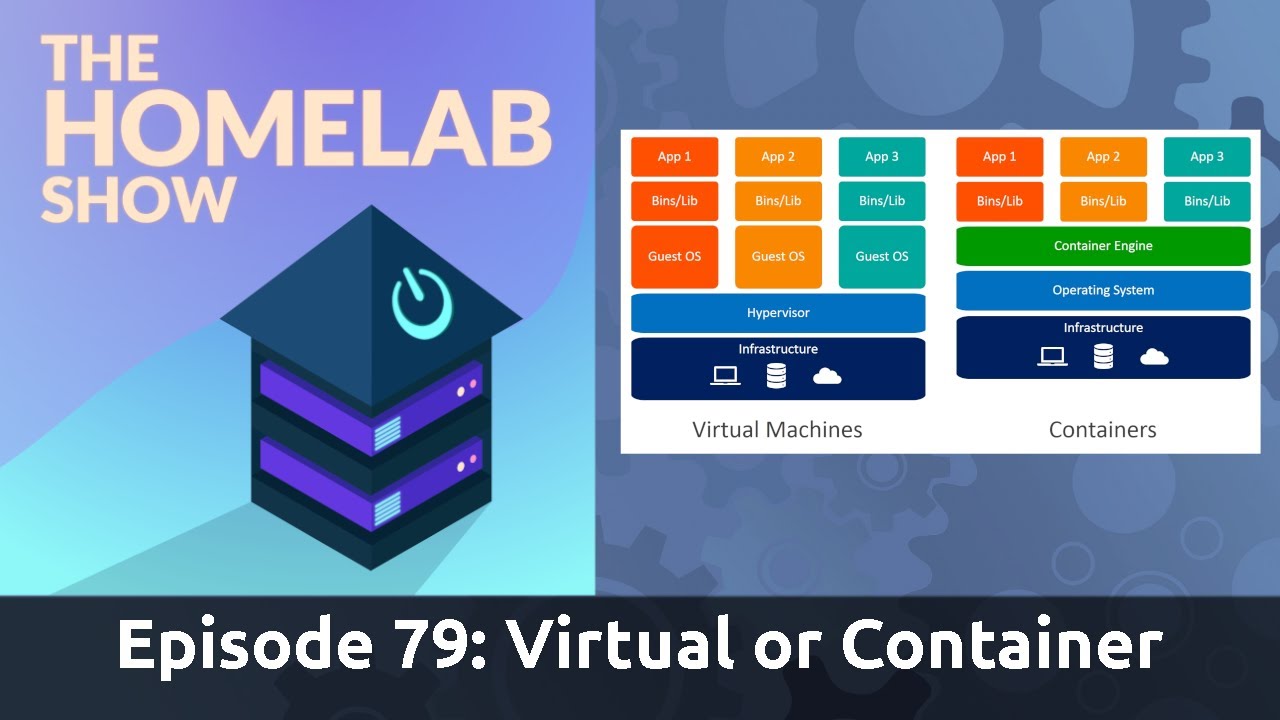
Virtual Machines and Containers are awesome, but when should you use one versus the other? In this episode, Jay and Talk about some of the deciding factors when it comes to deciding which technology to use.
In the final episode of LearnLinuxTV’s Proxmox VE tutorial series, we explore the concept of high availability. This will ensure that our most important virtual machines are always running, even if one of the nodes in our cluster stops responding.