Skip to content

🎓 Save 30% (or more) on Linux Foundation Certs & Courses!

  • YouTube
  • Reddit
  • GitHub
  • X
Latest Videos
Books
Courses
Linux Swag
Community
About
Request Assistance
Live Training

All Content

⇨

see all

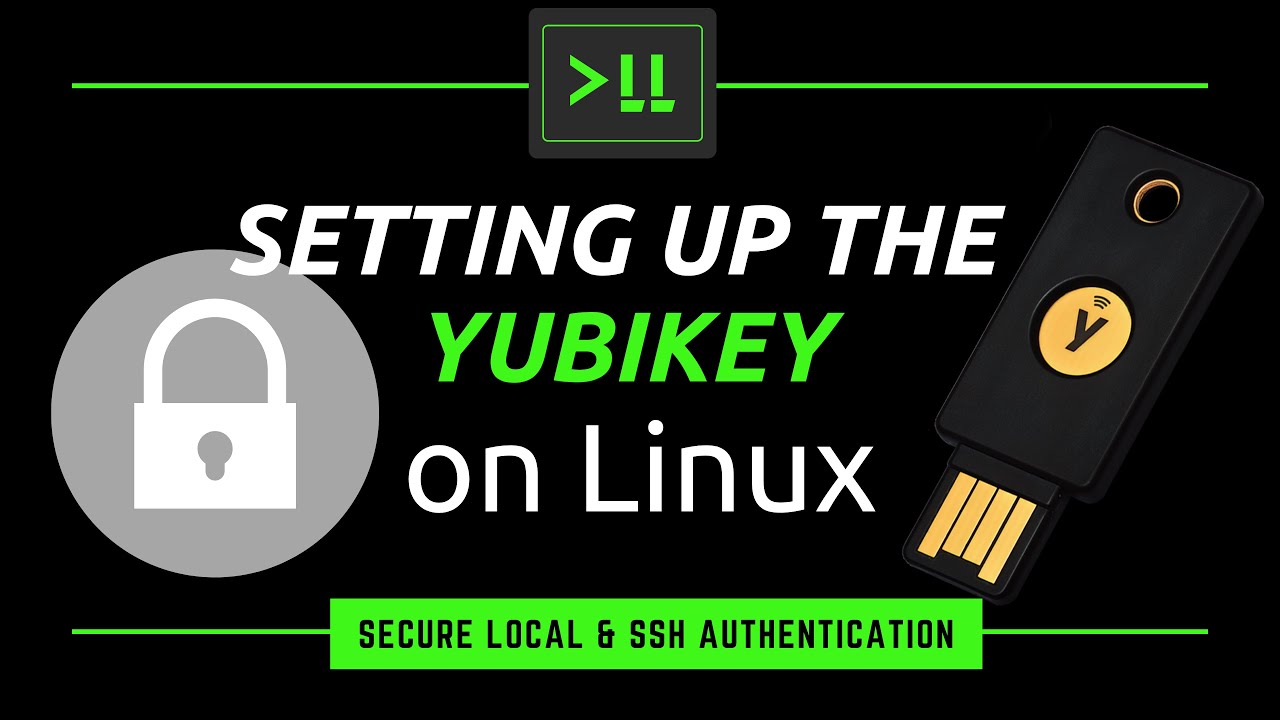
  • Setting up the YubiKey on Ubuntu

    I’ve recently had a chance to check out some newer YubiKeys, and decided to make a video on it. In this video, I’ll show you how to set up the YubiKey on Linux, with examples that include setting it up on your local laptop/desktop as well as using it to secure OpenSSH to a remote server.
    YouTube player
    (more…)

    ⇨

    Read more: Setting up the YubiKey on Ubuntu
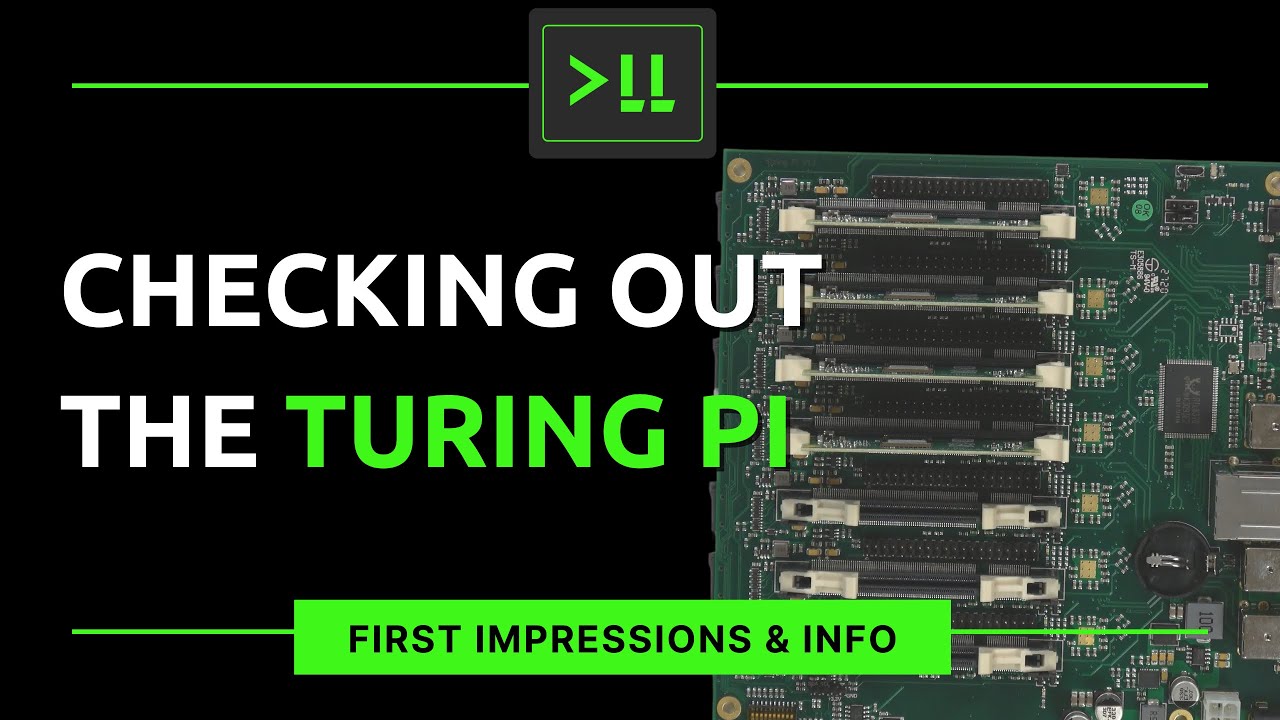
  • Checking out the Turing Pi

    The Turing Pi is an awesome Mini-ITX board that allows you to slot up to 7 Raspberry Pi compute modules and have them each share the same ethernet cable and power supply. It’s great for Homelab and testing out things like containers. This is the first video featuring the Turing Pi, more to come! Let me know if you’d like to see tutorials for the Turing Pi.

    YouTube player
    (more…)

    ⇨

    Read more: Checking out the Turing Pi
  • Setting up Simple Samba File Shares

    Have you ever wanted to create a wide-open file share on your LAN to enable your users to quickly and easily share files? In this video, the viewer is shown the process of setting up a custom Samba implementation on Debian/Ubuntu that makes sharing files on your LAN easy.

    YouTube player
    (more…)

    ⇨

    Read more: Setting up Simple Samba File Shares
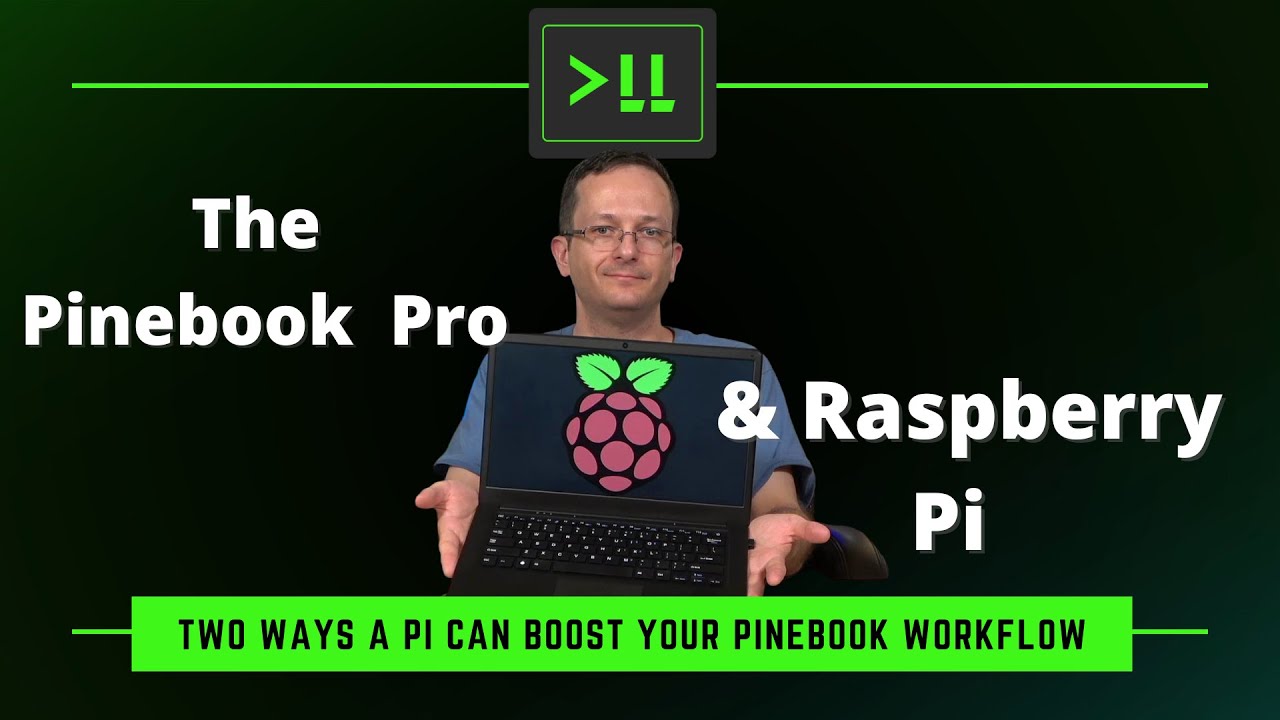
  • Two Ways you can Enhance your Pinebook Pro workflow with a Raspberry Pi

    The Pinebook Pro is an awesome ARM laptop, and when paired with a Raspberry Pi, it’s even more awesome. In this video, I’ll show you how to offload your browser and terminal tasks to free up the RAM on the Pinebook, giving you additional resources.

    YouTube player
    (more…)

    ⇨

    Read more: Two Ways you can Enhance your Pinebook Pro workflow with a Raspberry Pi
  • Running Containers in the cloud with the Linode Kubernetes Engine

    Kubernetes is a very powerful platform to scale your applications, as the lower resource usage of containers can give you greater efficiency. The Linode Kubernetes Engine allows you to easily deploy containers in the cloud, eliminating the need for you to maintain your own hardware for your Kubernetes stack. In this video, we’ll explore the Linode Kubernetes Engine, and walk through an example of not only deploying a pod, but also setting up persistent storage as well.

    YouTube player
    (more…)

    ⇨

    Read more: Running Containers in the cloud with the Linode Kubernetes Engine
  • Setting up a Raspberry Pi Kubernetes Cluster with Ubuntu 20.04

    Kubernetes is a very powerful platform to scale your applications, and the Raspberry Pi is a low-cost computer with excellent power efficiency you can use to run tasks without breaking the bank. Canonical recently released Ubuntu 20.04, with full support for the Raspberry Pi. In this video, we take a look at how to create a Pi-powered Kubernetes cluster based on Ubuntu.

    YouTube player
    (more…)

    ⇨

    Read more: Setting up a Raspberry Pi Kubernetes Cluster with Ubuntu 20.04
  • Syncing your Files Across ALL your Computers via Syncthing

    Kubernetes is a very powerful platform to scale your applications, and the Raspberry Pi is a low-cost computer with excellent power efficiency you can use to run tasks without breaking the bank. Canonical recently released Ubuntu 20.04, with full support for the Raspberry Pi. In this video, we take a look at how to create a Pi-powered Kubernetes cluster based on Ubuntu.

    YouTube player
    (more…)

    ⇨

    Read more: Syncing your Files Across ALL your Computers via Syncthing
  • Linux Logical Volume Manager (LVM) Deep Dive Tutorial

    LVM, short for Logical Volume Manager, is awesome – and it doesn’t seem to get the attention it deserves. In this one-shot tutorial, I’ll show you why you should care about LVM, how to get started, some of the commands you can use to manage it, and more. You’ll even learn how to use it to take snapshots of your system!

    YouTube player
    (more…)

    ⇨

    Read more: Linux Logical Volume Manager (LVM) Deep Dive Tutorial
  • Building a Low Energy Virtualization Server for Your Office/Homelab with Proxmox

    Following up on my low-energy FreeNAS build, here’s another server build – this time for virtualization. In this video, you’ll see the process of building a low-energy Proxmox server, and just like the last build – this one uses only around 55 watts!

    YouTube player
    (more…)

    ⇨

    Read more: Building a Low Energy Virtualization Server for Your Office/Homelab with Proxmox
  • Building a Low Energy Storage Server for your Office/Homelab

    Saving power in your homelab can be a very important factor in your build. In this video, you’ll see the process of building a lower energy storage server, that uses only around 55 watts! FreeNAS is shown as an example, but other NAS platforms can be used as well.

    YouTube player
    (more…)

    ⇨

    Read more: Building a Low Energy Storage Server for your Office/Homelab
Previous Page
1 … 41 42 43 44
Next Page
  • YouTube

YOUTUBE

  • Twitter

twitter

  • LinkedIn

LINKEDIN

Copyright 2026 Learn Linux TV, all rights reserved.

All content on this channel adheres to the company’s content ethics guidelines.