Is openSUSE Leap the stable Linux distribution you’ve been overlooking? In this review, I explore the installation process, KDE Plasma desktop, Btrfs and Snapper support, reliability, and how openSUSE Leap compares with other popular Linux distros. Find out who openSUSE Leap is for – and whether its dependable desktop experience makes it the right Linux distro for you.
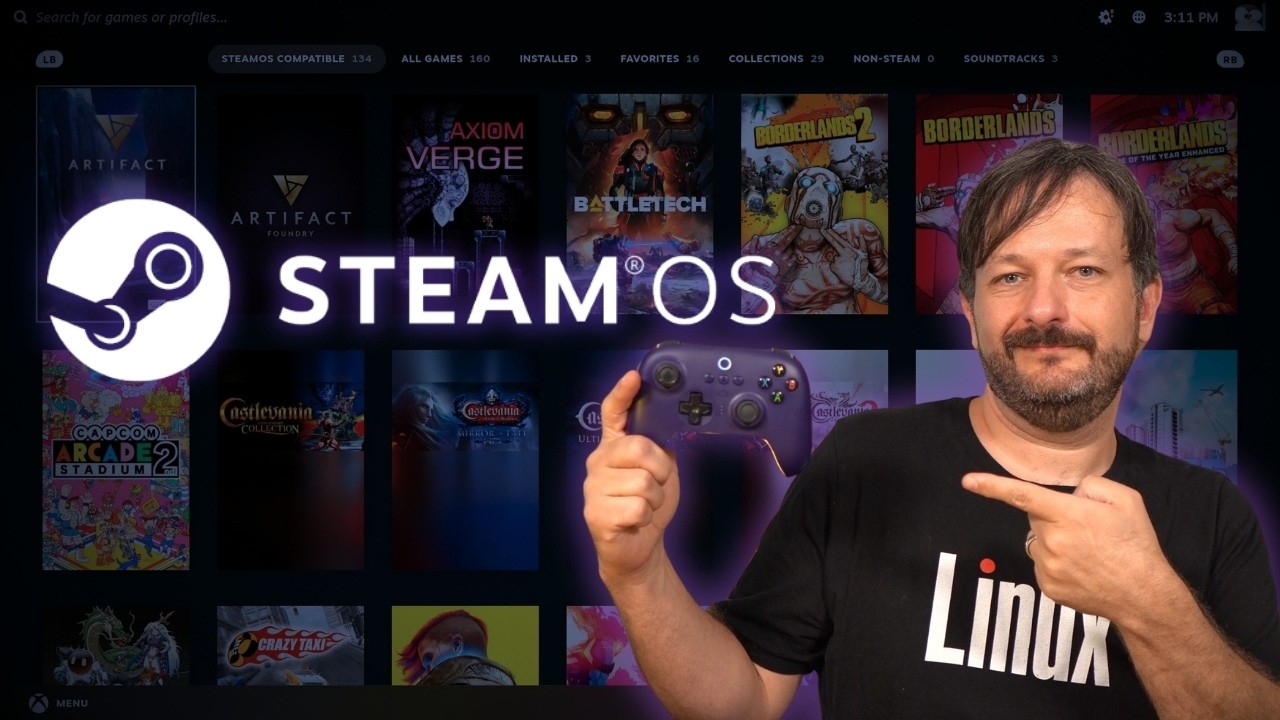
SteamOS is no longer limited to the Steam Deck—and it could completely change Linux gaming on desktop PCs. In this video, I explore the full SteamOS experience, from installing and launching games to system updates, settings, purchasing games, and using the Linux-based Desktop Mode.
For a walkthrough of the entire installation process, check out my SteamOS beginner guide!
In this video, I take a full look at the Fedora 44 COSMIC spin — Fedora’s official release of the COSMIC Desktop Environment. I cover a first look at the interface, a bit of the history behind COSMIC, its standout auto-tiling feature, and why I made the switch to Fedora COSMIC as my daily driver. If you’re curious whether Fedora COSMIC is worth using in 2026, this review breaks it down for you.
AlmaLinux is primarily viewed as a server operating system, but what about workstation use?
I decided to put AlmaLinux through a real desktop test to find out whether it can serve as a practical operating system for everyday computing. The results may surprise you!
Are you a Linux distro hopper? Finding the right Linux distribution can feel overwhelming with so many great options available — but it doesn’t have to be. In this video, I’ll walk you through the Last Distro Standing Challenge, a simple method designed to help you systematically test Linux distros head-to-head until only one remains: your new primary Linux distribution.
Using a multi-boot USB flash drive powered by Ventoy, you can boot into multiple Linux distros without ever touching your main system. No risk, no commitment — just pure distro testing the smart way.
Be sure to share the results of the challenge with hashtag #LastDistroStanding on any of your socials!
Fedora Workstation 44 is here — but is it worth upgrading? In this review, I take a look at what’s new in Fedora 44, walk through the installation and upgrade process, and share my honest thoughts on whether this incremental release moves the needle for Linux desktop users.
We’ll also talk about the bigger picture: what “boring” releases mean for Fedora’s long-term competitiveness, and whether the increased focus on the KDE Plasma spin signals a shift in direction.
Thanks to Flox for sponsoring this video! Flox gives you reproducible and declarable development environments—but without needing to build and manage container images. Instead, you define exactly what your environment needs, and it just works consistently across your system. Check it out here.
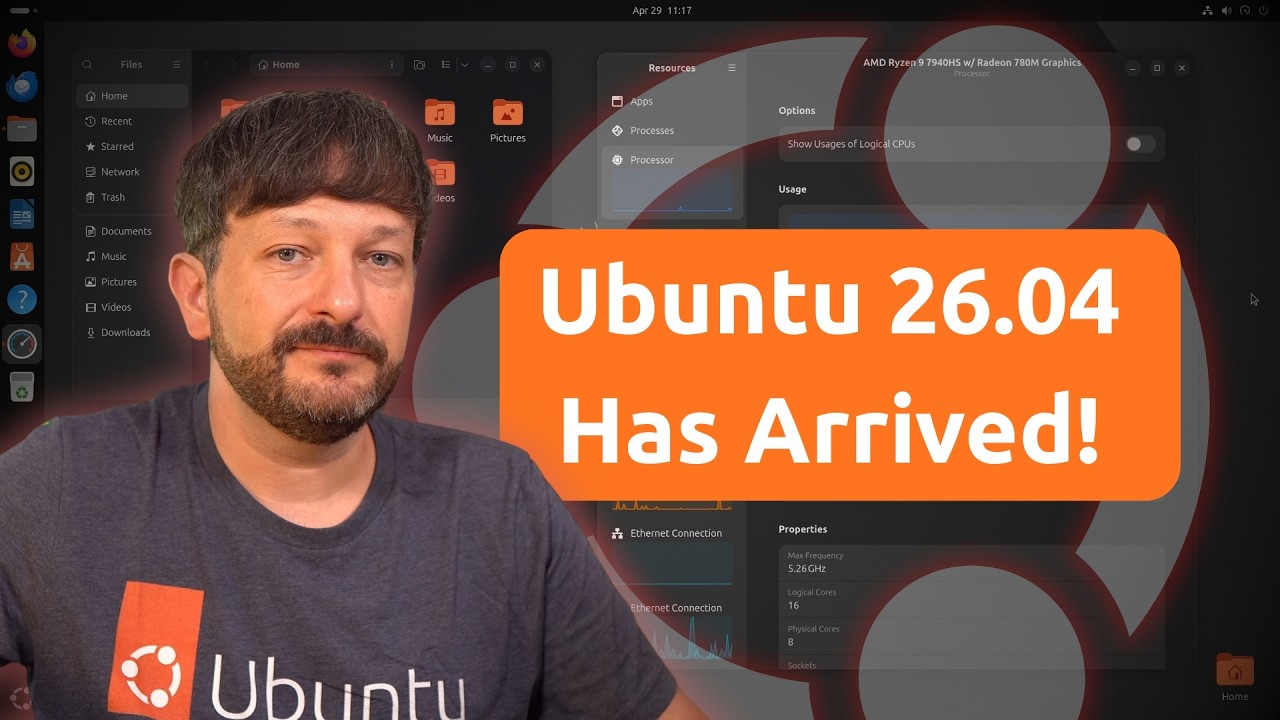
Ubuntu 26.04 LTS is here — and this release brings some significant changes. In this review, I cover what’s new in Ubuntu 26.04 LTS, how it compares to other distributions, the NVIDIA improvements and full transition to Wayland, installer upgrades, and the RAM requirement controversy that has the Linux community talking.
Is Ubuntu 26.04 LTS worth upgrading to? I’ll give you my honest verdict.
Is AI actually useful in Linux — or is it just a gimmick?
Sloppix is a brand new Linux distro with AI features baked right in — terminal assistance, automated sysadmin tasks, and more. So I put it to the test.
But by the end, there’s a bigger question worth asking: AI is being bolted onto every tool, every distro, and every workflow in the Linux space right now — and a lot of it is AI slop dressed up as innovation. It’s worth stopping to think about what we’re actually gaining, and what we’re losing when we let AI do the thinking for us.
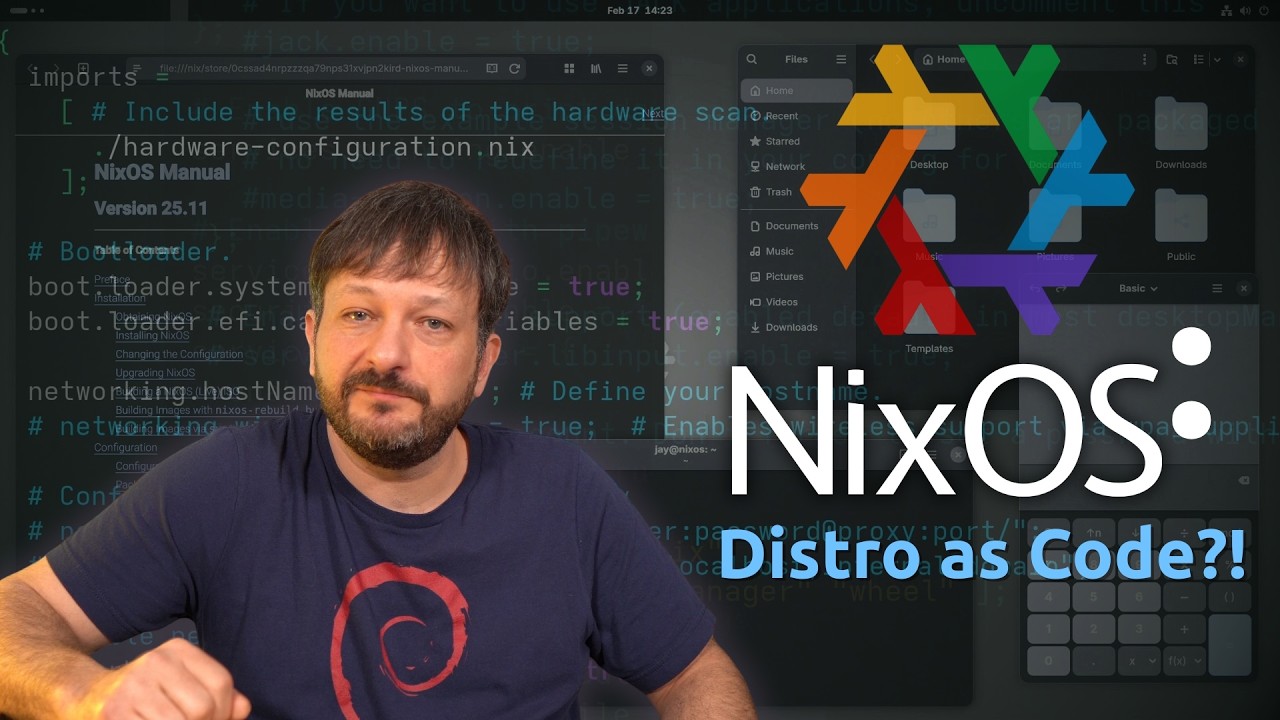
In this in-depth NixOS review, we’ll explore what makes NixOS fundamentally different from traditional Linux distributions. From declarative configuration to fully reproducible systems, NixOS challenges everything you think you know about managing Linux.
But is it practical? Is it beginner friendly? And does the “immutable” architecture actually make your system better? In this video, you’ll get answers to those questions and more!
In this video, we’ll take a detailed look at Linux Mint 22.3 to see what’s new this time around. While Mint remains one of the most reliable and beginner-friendly Linux distributions available, this release is a noticeably smaller update than some may expect.
I’ll cover the new features included in Linux Mint 22.3, share hands-on impressions, and talk about the downsides as well. If you’re currently running Linux Mint or considering switching to Linux, this review will help you decide whether Linux Mint 22.3 is the right upgrade for you.